






June 23, 2026
Agency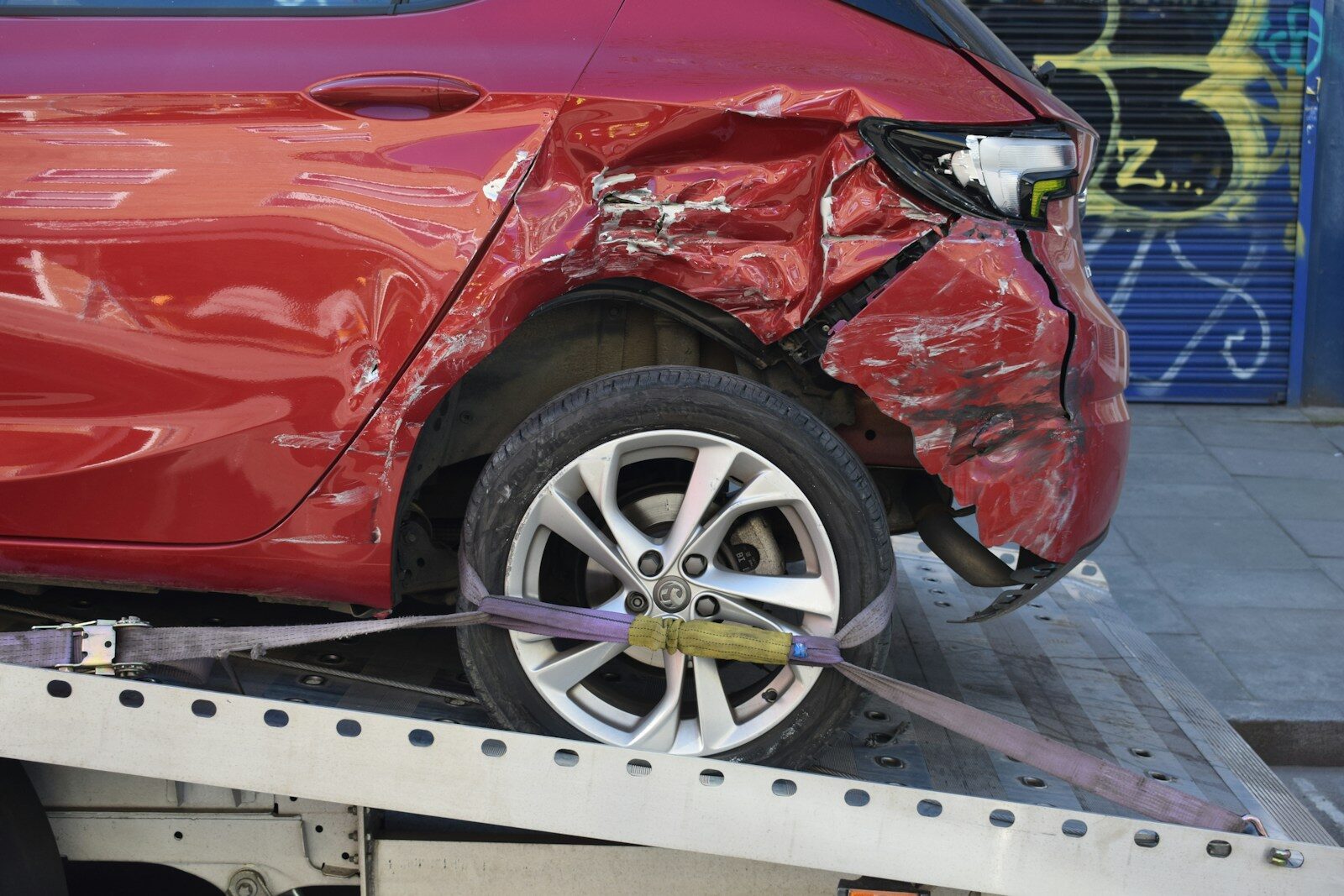
Auto Insurance: What Happens When Repair Costs Exceed Car Value?
When you’re involved in an accident, one of the biggest concerns is whether your car can be repaired or if it’s considered a total loss. Understanding how insurance companies make this determination can help you navigate the claims process with confidence.
When Is a Car Considered a Total Loss?
Insurance companies typically declare a vehicle a “total loss” when the cost to repair it exceeds its actual cash value (ACV). The ACV is the market value of your car just before the accident, factoring in age, mileage and condition. If repairs are close to or higher than this value, your insurer may decide it’s not practical to fix the vehicle.
What Happens If Your Car Is Totaled?
If your car is declared a total loss, here’s what you can expect:
- Settlement offer: Your insurer will offer a payout based on your car’s ACV, minus your deductible.
- Vehicle ownership: In most cases, the insurance company takes possession of the totaled vehicle. If you want to keep it, you may be able to buy it back at its salvage value.
- Loan or lease: If you have a loan or lease, the settlement will first go toward paying off the balance. If the payout doesn’t cover the full amount, you may be responsible for the difference unless you have gap insurance.
How Our Team Can Help
Navigating a total loss claim can be stressful, but you don’t have to do it alone. Our team is here to guide you through the process, answer your questions and help make sure you’re treated fairly.
If you have questions about total loss claims or want to review your auto insurance coverage, contact us today.
This blog is intended for informational and educational use only. It is not exhaustive and should not be construed as legal advice. Please contact your insurance professional for further information.